
Barriers to Leadership & Public Service
Every community benefits when people with diverse experiences help shape decisions. Yet for many justice-impacted individuals, the path to leadership is filled with barriers that continue long after a sentence has been served. These obstacles limit not only individual opportunity but also the perspectives represented in public life.
Employment & Professional Licensing
Many careers require background checks or professional licenses that may be difficult—or impossible—to obtain with certain convictions. These barriers can limit career advancement and reduce opportunities to gain the experience often expected of future leaders.

Financial Barriers
The costs associated with fines, fees, court obligations, transportation, education, and unpaid time spent rebuilding after incarceration can make leadership opportunities difficult to pursue, particularly when many public service roles begin as volunteer positions.
Civic Participation
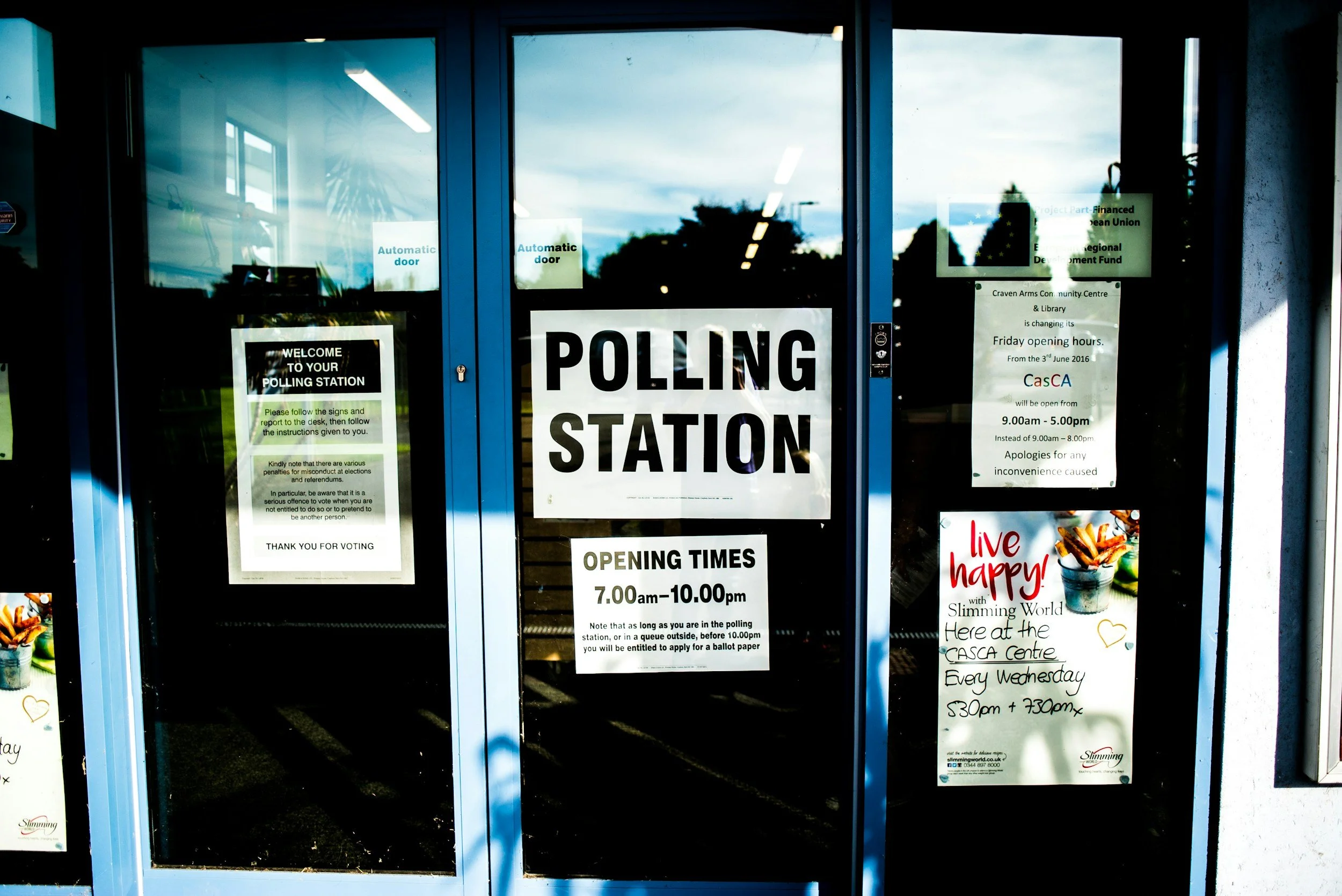
Although voting rights have been restored in many states, justice-impacted individuals may still face restrictions or confusion surrounding civic participation, jury service, or eligibility for certain public offices depending on state law and the nature of the conviction.
Public Perception & Stigma
Justice-impacted individuals often face assumptions about their character or abilities based solely on a past conviction. These perceptions can influence hiring decisions, appointments, elections, and opportunities for community leadership.
Policies that Outlast a Sentence
For many people, the consequences of a conviction continue long after a sentence has been completed. Restrictions related to housing, employment, education, and licensing can create cumulative barriers that affect long-term stability and the ability to pursue leadership roles.